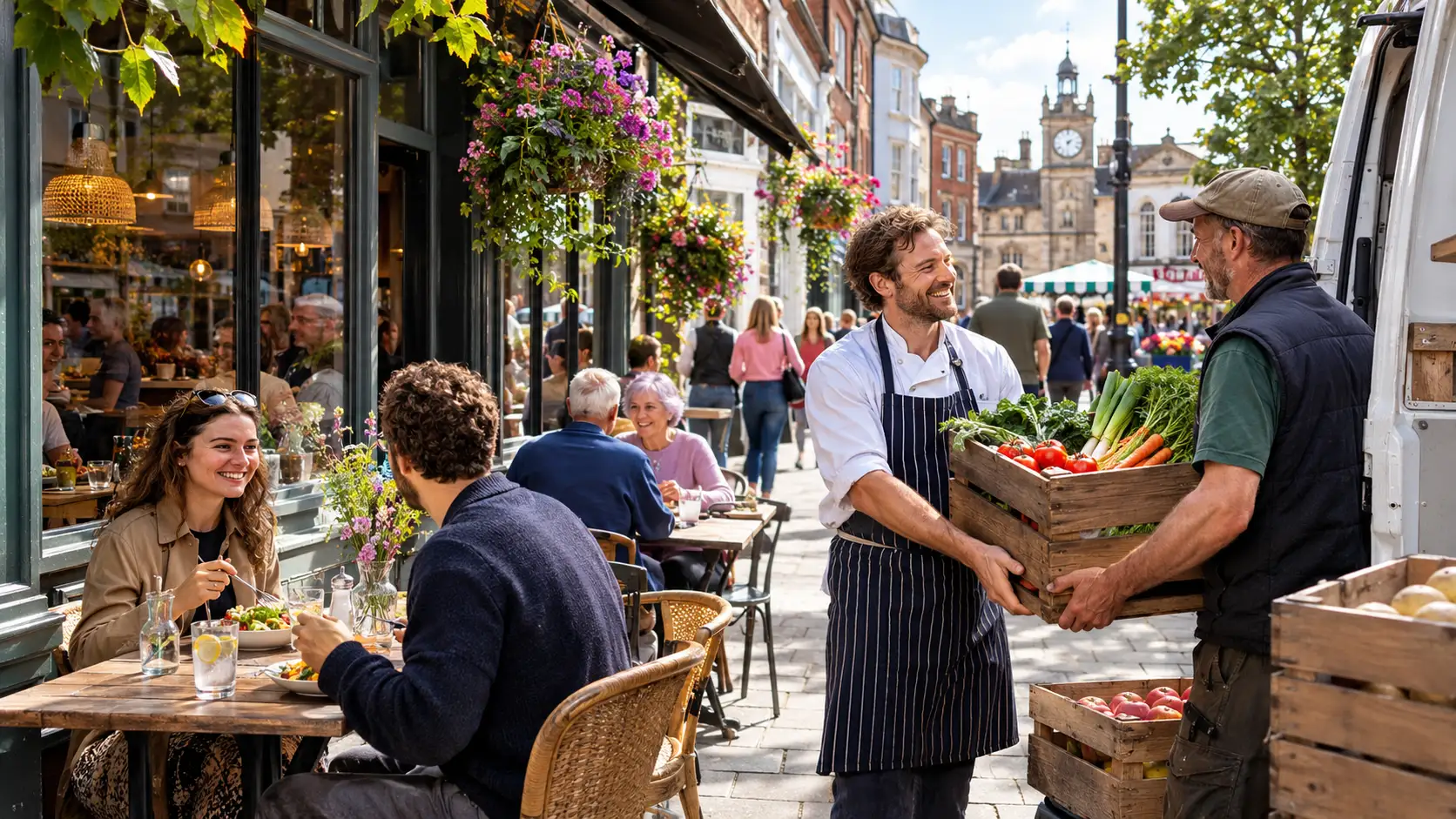
Bridgwater, a historic market town in Somerset, is developing a diverse food and hospitality scene that contributes to local economic activity. From independent cafés and traditional British pubs to international restaurants, bakeries and catering businesses, the town offers a variety of dining experiences for residents, workers and visitors.
The food industry contributes far more than meals and refreshments. It creates employment opportunities, supports regional suppliers, encourages entrepreneurship, attracts visitors and increases spending across neighbouring businesses.
With its established agricultural connections, strategic location near the M5 and ongoing economic development, Bridgwater has an opportunity to strengthen its hospitality sector and build a more resilient local economy.
Why Is Bridgwater’s Food Scene Growing?
Bridgwater benefits from a combination of Somerset’s agricultural heritage, changing consumer preferences and economic development. Its location provides access to regional food producers while attracting workers, business travellers and visitors.
Consumers are increasingly interested in authentic dining experiences, locally sourced ingredients and independent establishments that offer something different from national restaurant chains.
Increasing Demand for Independent Restaurants
Independent restaurants can respond quickly to changing customer preferences by introducing seasonal menus, experimenting with different cuisines and offering personalised service.
Family-run establishments also contribute to Bridgwater’s identity, helping the town develop a distinctive hospitality offering.
The variety of dining options, including British, Mediterranean and Asian cuisines, creates opportunities for businesses to attract different customer groups throughout the year.
Economic Development and Workforce Demand
Major infrastructure developments, particularly Hinkley Point C, have created additional opportunities for catering companies, restaurants and takeaway businesses.
Construction workers, contractors and business visitors generate demand for breakfast, lunch, evening meals and corporate catering services.
However, businesses must also develop a loyal residential customer base to remain sustainable when major construction projects eventually scale down.
How Does Bridgwater’s Food Industry Create Employment Opportunities?
Employment is one of the most important economic benefits of a thriving hospitality sector. Restaurants, cafés, pubs and catering companies require employees with a wide range of skills and experience.
The sector provides accessible employment opportunities for school leavers, students, experienced hospitality professionals and individuals returning to work.
Supporting Local Jobs and Skills Development
Food businesses employ chefs, kitchen assistants, waiting staff, baristas, delivery drivers, cleaners and restaurant managers.
Many hospitality roles also provide transferable skills, including communication, customer service, teamwork, financial management and problem-solving.
Employees who develop these abilities can progress into supervisory positions, management roles or eventually establish their own businesses.
Hospitality employment also supports household spending. When employees spend their earnings at local shops, leisure facilities and service providers, the economic benefits extend beyond their original workplace.
How Do Local Food Businesses Support Somerset Farmers and Suppliers?
Bridgwater’s proximity to Somerset’s agricultural communities gives food businesses access to fresh vegetables, dairy products, meat, cider and other regional produce.
Restaurants that purchase ingredients from nearby suppliers create additional revenue opportunities for farmers, butchers, bakers, breweries and food manufacturers.
Local sourcing can also reduce transportation requirements, improve ingredient traceability and strengthen relationships between producers and hospitality businesses.
Somerset Larder: A Real Example of Local Economic Growth
According to EDF’s Hinkley Point C socio-economic report announcement, published in 2025, Bridgwater-based Somerset Larder had recorded £63.5 million in expenditure since its establishment, with 78% remaining within the South West.
The catering company sourced ingredients from more than 60 regional farms and suppliers. EDF also reported that a North Petherton butcher supplying the project had secured business worth over £6 million.
These figures demonstrate how large catering contracts can benefit regional businesses beyond the immediate hospitality sector.
How Does Bridgwater’s Food Scene Attract Visitors and Increase Local Spending?
A diverse restaurant scene can encourage people to visit Bridgwater for more than shopping, work or business appointments.
Visitors attending community events, exploring Somerset or travelling through the region may choose to stop for a meal, discover independent cafés or enjoy an evening at a local restaurant.
For visitors researching dining options, this guide to food bridgwater highlights the town’s diverse restaurants, traditional dining experiences and international cuisines.
Food tourism creates opportunities for neighbouring businesses because visitors rarely spend money on dining alone. They may also purchase gifts, visit attractions, book accommodation or explore nearby independent retailers.
Strengthening the Town Centre Economy
Restaurants and cafés encourage people to spend more time in commercial areas. A customer visiting for lunch may subsequently browse nearby shops, purchase groceries or use other local services.
Evening dining can also help maintain town centre activity after traditional retail opening hours, creating opportunities for pubs, entertainment venues and transport providers.
What Are the Economic Benefits of Bridgwater’s Growing Food Sector?
The economic contribution of the hospitality industry extends across multiple business sectors.
| Economic area | Contribution of food businesses |
|---|---|
| Local employment | Creates full-time, part-time and seasonal jobs |
| Agriculture | Generates demand for regional ingredients |
| Tourism | Encourages visitor spending and longer stays |
| Independent retail | Increases potential customer footfall |
| Commercial property | Creates demand for hospitality premises |
| Business services | Supports accountants, marketers and maintenance contractors |
| Entrepreneurship | Encourages new restaurants, cafés and catering ventures |
| Community development | Supports events and social interaction |
These interconnected benefits demonstrate why hospitality should be considered an important component of wider economic development.
Understanding the Local Spending Multiplier
Consider an illustrative example in which an independent restaurant purchases £2,000 worth of ingredients from regional suppliers every week.
Over 52 weeks, this would represent £104,000 in annual supplier expenditure. If those suppliers subsequently purchase services and materials from other regional businesses, part of that money continues circulating within the economy.
Although this is a hypothetical example rather than measured Bridgwater-wide data, it demonstrates how everyday purchasing decisions can generate wider economic benefits.
How Does the Food Scene Encourage Entrepreneurship in Bridgwater?
The hospitality industry offers opportunities for aspiring entrepreneurs to establish businesses with different investment requirements.
While opening a full-service restaurant requires significant capital, entrepreneurs can initially launch mobile catering services, market stalls, home-based food businesses or pop-up dining experiences, subject to relevant food safety requirements.
These smaller business models allow owners to test customer demand before committing to permanent premises.
Developing a clear business model canvas can help entrepreneurs identify their target customers, revenue opportunities, operating costs and competitive advantages.
Corporate hospitality also provides an alternative revenue stream. Businesses supplying office lunches, conferences and workplace events can benefit from recurring commercial customers.
Understanding how catering improves workplace engagement can help local food providers develop services that appeal to regional employers.
What Challenges Do Bridgwater’s Food Businesses Face?
Despite the opportunities available, independent hospitality businesses face considerable financial and operational pressures.
Rising ingredient prices, commercial rents, energy bills and employment costs can reduce profitability. Meanwhile, competition from national chains and changing household spending habits make customer retention increasingly important.
Managing Operating Costs
Restaurants must carefully manage stock, food waste, staffing requirements and supplier agreements to protect their profit margins.
Seasonal menus, accurate demand forecasting and efficient kitchen operations can help businesses control expenditure without compromising food quality.
Improving Digital Visibility
Customers frequently use search engines, online reviews and social media to discover restaurants.
Maintaining accurate business listings, publishing updated menus and responding professionally to customer feedback can help independent establishments compete more effectively.
Understanding the importance of Google Business Profile and local SEO is particularly valuable for restaurants looking to attract nearby customers and visitors.
What Does the Future Hold for Bridgwater’s Food Economy?
Bridgwater has opportunities to develop a stronger hospitality economy through collaboration between entrepreneurs, regional producers, tourism organisations and community groups.
Food festivals, seasonal markets and partnerships between restaurants and farms could help attract visitors while promoting Somerset’s regional produce.
Businesses embracing sustainable sourcing, digital technology, accessible dining experiences and effective financial management may be better positioned to achieve long-term growth.
Developing demand beyond major infrastructure projects will also be essential to ensuring that the sector remains commercially sustainable.
Conclusion
Bridgwater’s growing food scene contributes to the local economy by creating employment, supporting agricultural producers, encouraging entrepreneurship and attracting consumer spending.
Independent restaurants, cafés and catering companies help strengthen commercial activity while preserving the town’s distinctive character.
Through continued investment, responsible sourcing and collaboration between local businesses, Bridgwater can develop a more diverse and resilient hospitality economy that delivers lasting benefits for residents, entrepreneurs and the wider Somerset community.

admin
Latest posts by admin (see all)
- How Does Bridgwater’s Growing Food Scene Support the Local Economy? - November 27, 2026
- How Can UK Businesses Attract and Retain Skilled Employees? - August 19, 2026
- How Can UK Startups Manage Tax Without Hurting Cash Flow? - June 19, 2026